Paid for a holiday or flight—and found out the booking was fake?
Travel scams are becoming increasingly common, especially during long weekends, holiday seasons, and festive travel periods when people are rushing to book flights and hotels quickly.
Scammers take advantage of this urgency by creating fake airline websites, fake hotel listings, and fake travel agency offers that appear legitimate. Many victims only realize they’ve been scammed when they arrive at the airport and discover their ticket isn’t valid—or when they reach a hotel and learn no reservation exists.
As more people in India book flights, hotels, and holiday packages online, travel booking fraud continues to grow.
How Travel Booking Scams Work
Most travel scams follow a predictable pattern.
It usually starts with an attractive offer—cheap flight tickets, luxury hotels at huge discounts, or holiday packages that seem far cheaper than normal market prices.
The offer often creates urgency by claiming there are only a few seats left or that the discount expires soon. Once victims feel pressured to act quickly, scammers ask for payment through UPI, direct bank transfers, or payment links.
After payment is completed, fake tickets are issued, hotel reservations don’t exist, or the travel company disappears entirely.
Scammers rely heavily on excitement and urgency because people tend to verify less when they feel they’re getting a great deal.
Fake Flight Ticket Scams
Fake flight ticket scams are becoming increasingly common and are one type of travel scams.
Scammers may create websites that appear to sell airline tickets or pretend to be travel agents offering exclusive discounts. They may advertise heavily discounted international flights, last-minute deals, or unusually cheap business-class upgrades.
Many victims are contacted through WhatsApp, social media advertisements, or online classifieds where the offers seem genuine.
After payment is made, victims may receive fake ticket confirmations, invalid booking IDs, or no ticket at all. When they try contacting customer support, the scammers often disappear.
A major warning sign is pricing that feels unrealistically low compared to official airline websites.
Hotel Booking Fraud
Hotel booking fraud is another growing problem.
Scammers create fake hotel websites or duplicate real hotel listings, mostly from real photos of hotels or villas. In some cases, they clone legitimate travel platforms like Booking.com, MakeMyTrip, or Airbnb while slightly changing the website URL such as booking-deals[.]com. Recently a data breach at booking.com led to a fresh wave of scams called “Reservation Hijacking“.
At first glance, these websites may look completely legitimate.
However, the URL may be slightly altered, reviews may be fake, and users are often asked to make full advance payments.
Victims usually discover the fraud when they arrive at the hotel and learn that no reservation was ever made. This is increasingly becoming common in India while booking hotels at pilgrimage destinations.
SPONSORED
Fake Holiday Package Scams
Scammers often promote attractive holiday packages such as honeymoon trips, family vacations, pilgrimage tours, or international travel deals at extremely low prices.
These offers are commonly promoted through Instagram ads, Facebook ads, WhatsApp forwards, and fake travel websites.
The websites may appear professional and include destination photos, customer testimonials, and limited-time offers to create urgency.
Once payment is completed, the promised itinerary may never arrive, bookings may not exist, and the travel company often becomes impossible to contact.
Fake Customer Care Travel Scams
Some scammers pretend to be airline or hotel customer support representatives.
They may contact victims claiming: their booking failed, a refund is pending or payment verification is required. In the reservation hijacking case criminals have contacted Booking.com customers after a data breach pretending to be hotels in order to trick victims into sending them money based on reservation problems that were never actually there.
They often send fake payment links or ask for OTPs.
These scams are particularly dangerous because victims believe they are speaking with legitimate support teams.
How Fake Travel Links Trick People
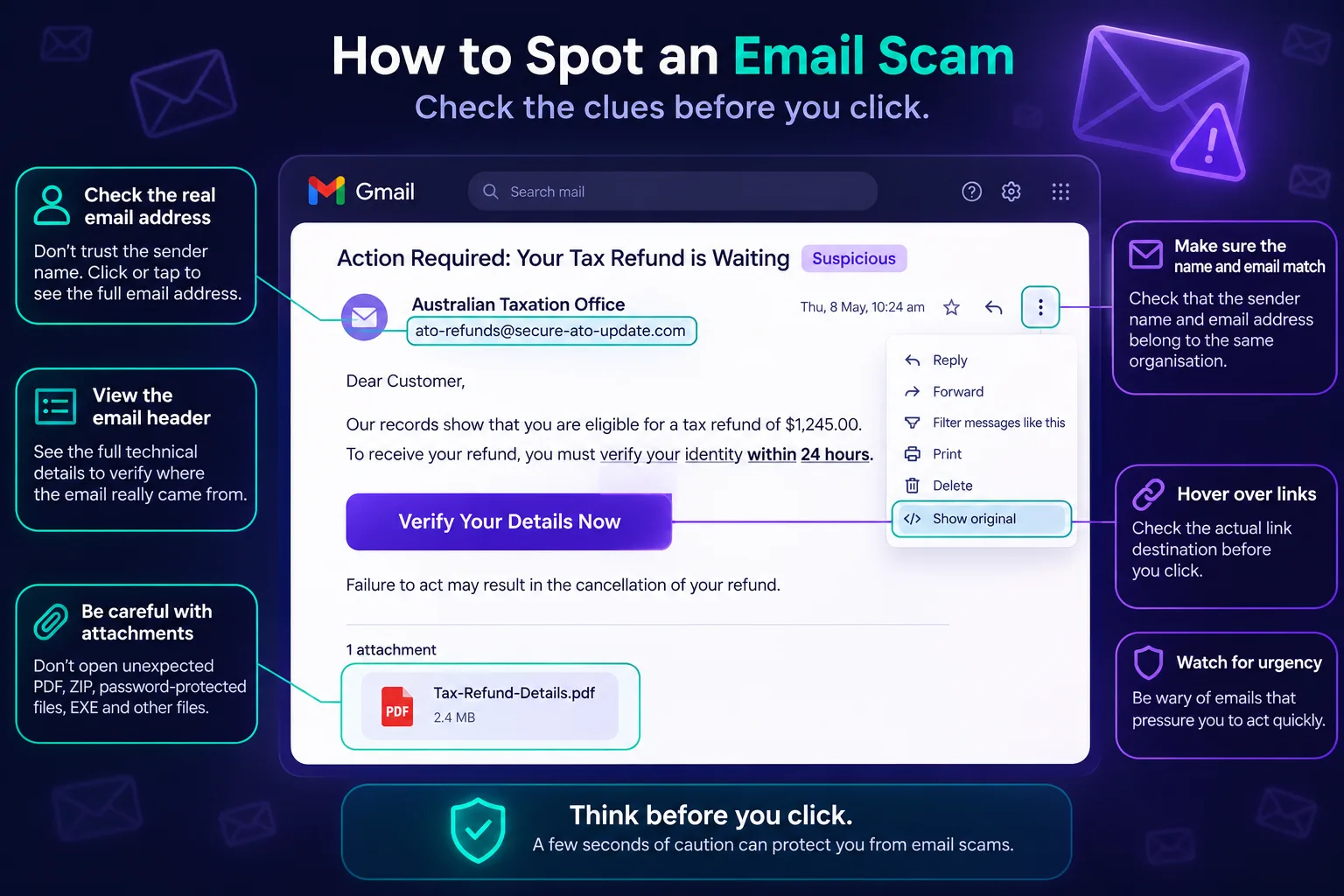
Many travel scams begin with suspicious links shared through WhatsApp, SMS, emails, or social media advertisements.
The links may appear to belong to legitimate travel companies but often redirect users to fake booking pages.
Some scam websites even mimic major travel brands while using slightly different domain names.
Before entering payment information, always verify that the website domain matches the official company/ hotel/ travel website.
If you receive suspicious travel links, it’s worth checking them before opening. You can always verify links using any reputed url checker. That way you not only save yourself from phishing scams but also prevent any threats, malware or any device takeover of your computer or phone.
Warning Signs of Travel Booking Fraud
Most travel scams share common warning signs.
Huge discounts that seem unrealistic are often the biggest red flag. Scammers also prefer UPI-only payments because they are difficult to reverse.
Poor website grammar, suspicious domains, lack of refund policies, and aggressive pressure tactics are also common warning signs.
If something feels rushed or too good to be true, take time to verify before making payment.
How to Protect Yourself from Travel Scams
The best way to protect yourself is to slow down before making any travel payment.
Always book through trusted travel platforms or verify directly with airlines and hotels. Even while using trusted travel platforms always ensure the url is correct and not one pretending to be one or download their app from Google Play or App Store. Avoid random booking links sent through WhatsApp or SMS.
Whenever possible, use payment methods that offer better fraud protection like credit cards.
Double-check booking confirmation codes directly with airlines or hotels instead of relying solely on emails or screenshots shared by sellers.
A few extra minutes of verification can prevent major financial losses and ruined travel plans.
Why Travel Scams Are Rising in India
Travel fraud is increasing in India because more consumers are booking trips online and scammers can cheaply create fake websites and social media ads.
The growth of digital payments has also made it easier for fraudsters to collect payments quickly.
These scams often spike during:
- summer vacations
- festive seasons
- long weekends
- pilgrimage travel periods
These are times when travelers tend to make rushed decisions. Many such pilgrimage related scams have been reported like the one on msn where the police has targeted and closed down hundreds of fake sites promising hotel bookings and helicopter rides during pilgrimage season.
Final Thoughts
Travel scams can ruin vacations, create major stress, and lead to financial losses.
Before paying for flights, hotels, or holiday packages, always verify the seller, the website, and the booking details.
A quick verification step can save both your money and your trip.
Common questions about travel booking scams
What is travel booking fraud?
Travel booking fraud happens when scammers create fake flight tickets, hotel reservations, or holiday packages to steal money from travelers.
How can I tell if a flight ticket is fake?
Always verify booking confirmations directly with the airline and avoid unusually cheap offers from unknown sellers.
Are hotel booking scams common in India?
Yes, hotel booking scams are increasing in India through fake websites, duplicate listings, and fraudulent travel agents.
What should I do if I receive a travel booking link on WhatsApp?
Do not pay immediately. Verify the website and confirm the travel company before making payment.
Can I recover money from a travel scam?
Recovery depends on your payment method and how quickly you report the fraud to your bank or payment provider.
Related Reading
Online Shopping Fraud: Common Scams and How to Stay Safe
UPI Scam Alert: Fake Payment Links and Collect Requests Explained