Ordered something online but never received it? You could be a victim of online shopping scams.
Online shopping is convenient—but it has also made scams easier than ever.
From fake websites offering huge discounts to social media sellers disappearing after payment, online shopping fraud is growing rapidly—especially in countries like India.
The good news? Most scams follow predictable patterns. Once you know what to look for, you can avoid them before losing money.
How Online Shopping Scams Work
Most online shopping scams follow a simple pattern:
- You see a deal that looks too good to be true
- You’re redirected to a fake website or seller page
- You’re asked to make a quick payment (usually via UPI or wallet)
- The product never arrives—or is completely different
- The seller disappears or stops responding
Scammers rely on urgency and trust to get you to act without verifying the source.
Common Types of Online Shopping Fraud
1. Fake E-commerce Websites
These websites look like real stores but are designed only to collect payments.
- Massive discounts (70–90% off)
- No proper contact details
- Poor design or copied content
2. Instagram & Social Media Seller Scams
Fake sellers promote products through ads or pages.
- Ask for advance payment
- Ask for only high ‘delivery’ fees for cash on delivery products
- Keep asking for small fees on some pretext or the other such as ‘tax’, ‘OTP fee’, ‘verification fee’ etc.
- No refund or return policy
- Fake reviews or stolen images
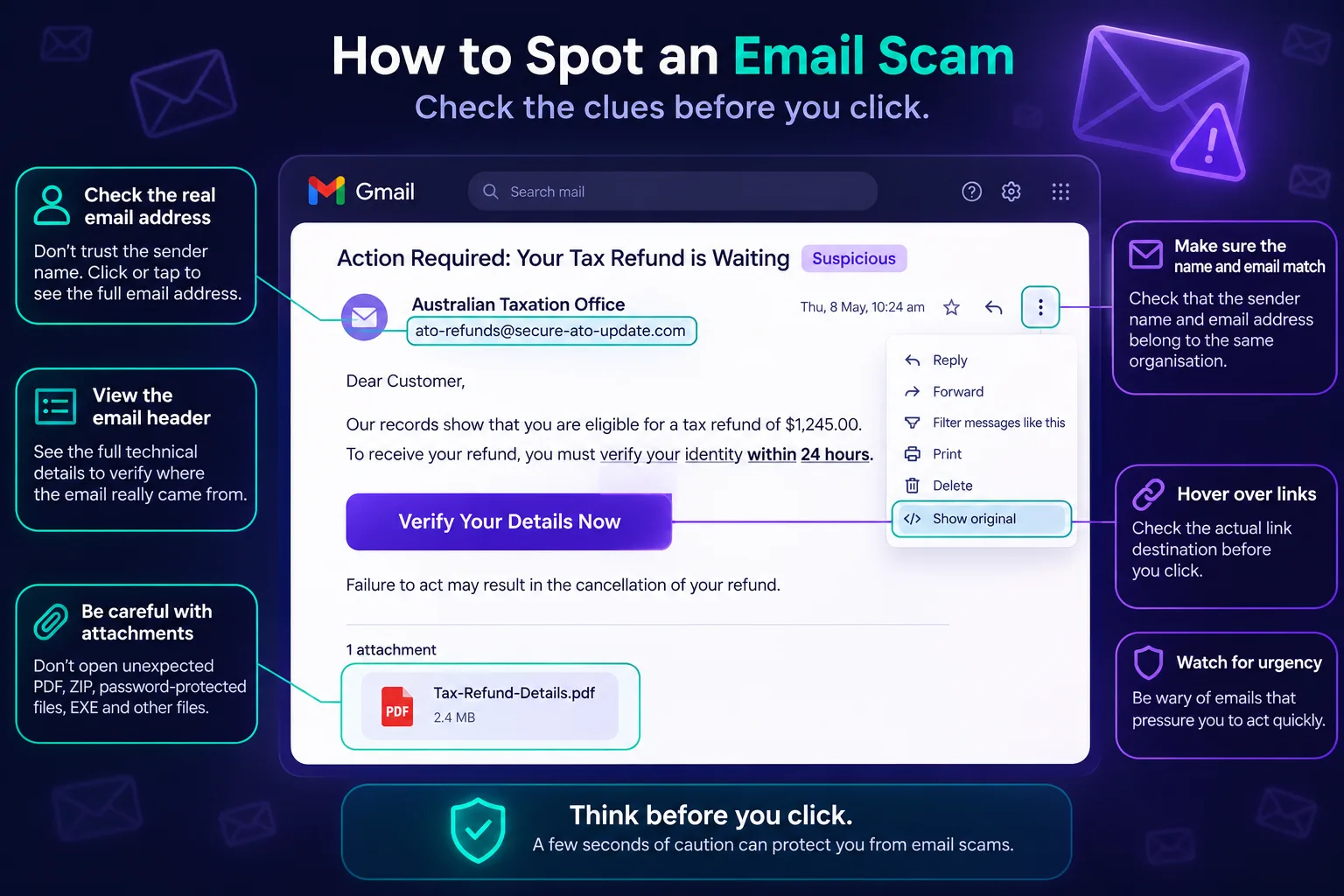
3. Phishing Links Disguised as Offers
You may receive links via SMS, WhatsApp, or email:
- “Limited time sale”
- “Claim your reward”
- “Exclusive offer”
These links often lead to fake websites designed to steal money or data.
👉 Always verify suspicious links before opening them through a url checker. You can also scan the contents of a suspicious message through our scam message checker.
4. Fake Marketplace Listings
Scammers pose as sellers and try to move conversations off trusted platforms.
- Ask you to pay directly to “save fees”
- Share fake payment confirmations
- Use stolen product photos
SPONSORED
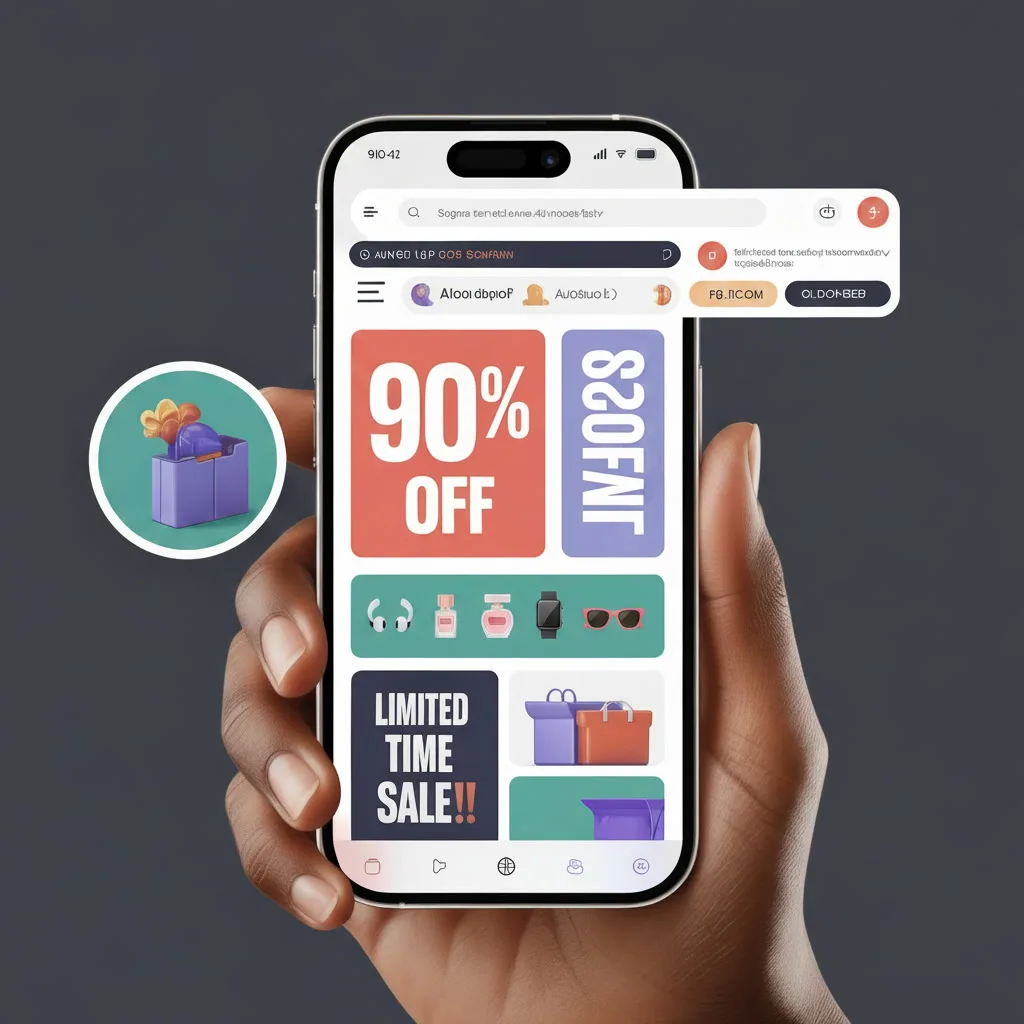
Real Example: Fake Shopping Websites That Look Legit
Be careful of fake websites that mimic popular platforms like Amazon or Flipkart.
These scam links are often shared through WhatsApp or SMS. At first glance, the site may look genuine—but if you check the URL carefully, the domain name is usually slightly different.
These fake websites typically:
- Have only one page filled with heavy discounts
- Lack proper navigation or real product categories
- Push you to complete payment quickly
👉 If you’re unsure, always check the link before opening it using a trusted URL checker.
Warning Signs to Watch Out For
Before buying anything online, look for these red flags:
- Prices that seem too good to be true
- Only prepaid payment options (no cash on delivery)
- No company address or customer support
- Recently created website or social page
- Poor grammar or inconsistent branding
- Pressure to act quickly (“limited stock”)
How to Protect Yourself from Online Shopping Scams
Follow these simple steps:
- Verify the website before making a payment
- Avoid clicking unknown links from messages or emails
- Check reviews from multiple sources
- Prefer trusted platforms with buyer protection
- Never share OTPs or sensitive information
- Be cautious when paying via UPI to unknown sellers
- If you receive a link that seems to be of a popular e-commerce site, ignore the link and always try to search the same deal within the e-commerce platform
👉 If you receive a suspicious link, check if it’s safe before opening it.
Why Online Shopping Fraud Is Increasing in India
Online scams are rising due to:
- Growth in digital payments like UPI
- Easy creation of fake websites
- Increased use of social media marketplaces
- Lack of awareness about scam patterns
Many of these scams are also linked to phishing attacks and fake payment links.
Final Thoughts
Online shopping fraud is not always obvious—but it is often predictable.
By staying alert and verifying links, sellers, and platforms, you can avoid most scams before they happen.
Taking a few extra seconds to check can save you money, data, and stress.
Common questions about Online Shopping Fraud
What is online shopping fraud?
Online shopping fraud happens when scammers trick users into paying for products or services that are fake, never delivered, or misrepresented.
How can I check if a shopping website is real?
Check the website URL carefully, verify contact details, read independent reviews, and avoid sites offering unrealistic discounts.
Are Instagram sellers safe?
Some are legitimate, but many scams happen on social media. Always verify the seller and avoid making upfront payments. Also check if a social media seller has been previously reported on the Phishbowl App.
What should I do if I receive a shopping link via SMS or WhatsApp?
Do not click immediately. Verify the link first, especially if it promises discounts or rewards. Check the SMS or WhatsApp itself too via Scam Message Checkers
Can I get my money back from an online shopping scam?
Recovery depends on how you paid and how quickly you act. Contact your bank or payment provider immediately and report the fraud at cybercrime.gov.in.
Why do scammers prefer UPI payments?
UPI payments are instant and harder to reverse, making them attractive for scammers targeting quick transactions.