SBI Data Breach: 3.75 Lakh Records Reportedly Exposed on the Dark Web – What Customers Should Know
A reported cyberattack involving the State Bank of India (SBI) has raised fresh concerns about the safety of personal and banking-related information in India.
According to reports published in November 2026, hackers allegedly gained unauthorised access to SBI’s Global IT Centre in CBD Belapur, Navi Mumbai, and stole approximately 3.75 lakh records. Some of the allegedly stolen information was subsequently found circulating on the dark web.
While the incident is under investigation and there is no reported evidence that customers’ bank balances have been compromised, the exposure of personal information raises another serious concern: how cybercriminals could use such information to target people with convincing scams.
Here is what happened, what information was reportedly exposed, and what customers should do to protect themselves.
What happened in the SBI data breach?
The reported incident concerns SBI’s Global IT Centre in CBD Belapur, Navi Mumbai.
According to media reports, unauthorised access to the bank’s systems allegedly took place between October 10 and October 15, 2026.
The bank subsequently received alerts about the suspected data exposure on October 16. SBI’s preliminary examination of approximately 3.75 lakh records found on the dark web identified 3,897 records containing personally identifiable information (PII).
A police complaint was reportedly registered on November 12, and an FIR was subsequently filed at the CBD Belapur police station.
The investigation is ongoing, with authorities examining how access was obtained, what information was stolen and whether other individuals or cybercriminal groups were involved.
What information was reportedly exposed?
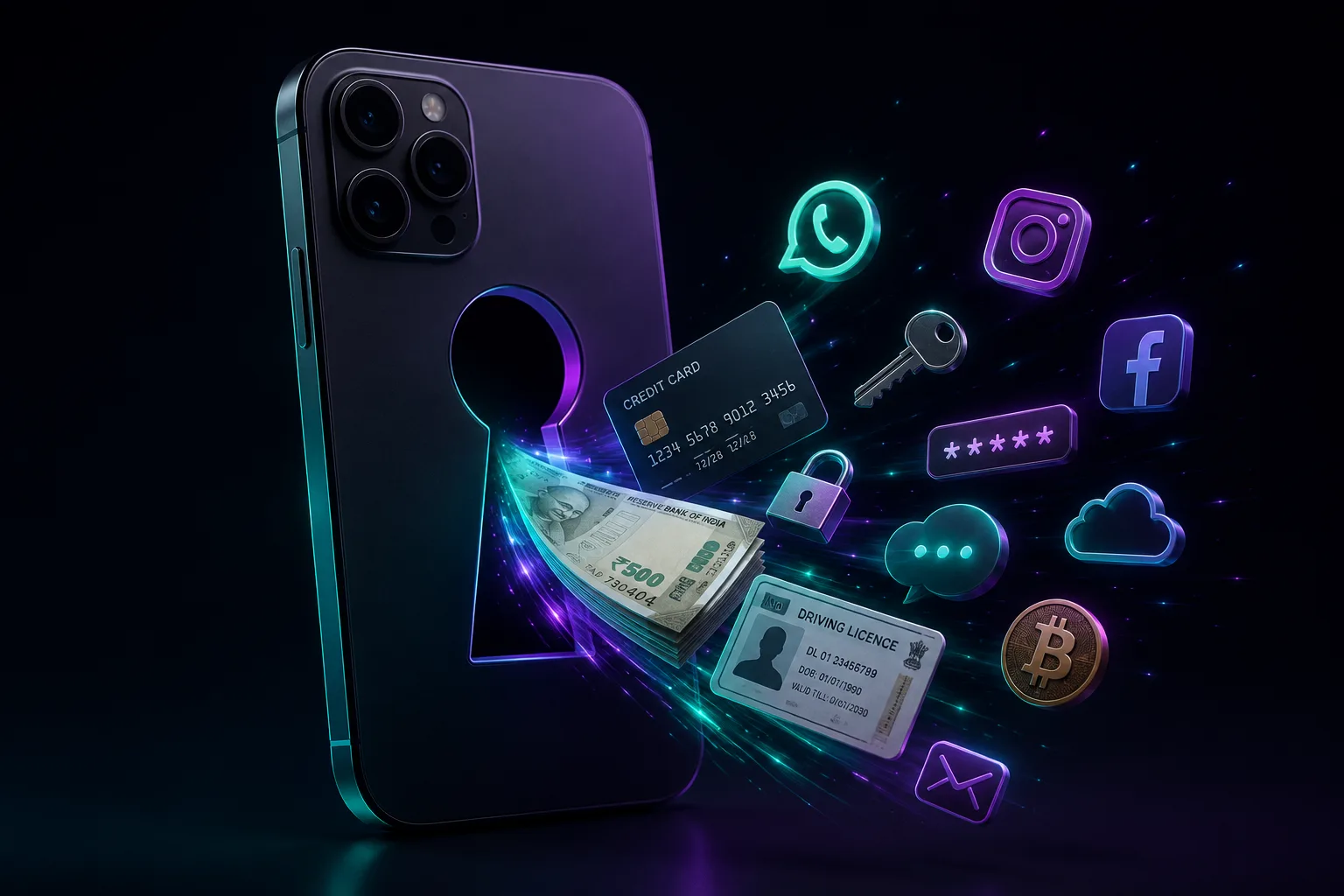
The information identified in SBI’s preliminary examination reportedly included:
- Customers’ names and gender
- Registered mobile numbers
- Dates of birth
- Email addresses
- Residential addresses
- Bank branch and Customer Information File (CIF) identifiers
- Lead IDs and metadata associated with loan and lead records
Subsequent reporting on the police complaint also referred to stolen application data, loan application records, account-opening information and PDF files.
It is important to distinguish between the total number of records reportedly found and the number of records containing personally identifiable information. SBI’s preliminary assessment identified 3,897 PII-containing records among approximately 3.75 lakh records examined. A later police complaint report referred to 4,280 customer records. The precise number of unique customers affected and the full scope of the exposure have not been independently established.
What is the dark web, and why is leaked information dangerous?
The dark web is a part of the internet that is not accessible through ordinary search engines and typically requires specialised software or configurations to access.
Although it has legitimate uses, it is also used by cybercriminals to trade stolen information, compromised credentials and other illicit material.
When personal information appears on the dark web, it can potentially be used to:
- Create targeted phishing campaigns.
- Impersonate bank employees or customer support representatives.
- Send fraudulent KYC update messages.
- Make scam calls more convincing by using genuine personal details.
- Target people with fake loan approvals, payment requests or account verification messages.
The biggest concern is that scammers do not always need access to someone’s bank password to attempt financial fraud. Even basic personal information can help them establish trust and manipulate unsuspecting customers.
How can scammers misuse leaked customer information?
This is where a data breach can become a much wider problem for ordinary banking customers.
Here are some common scenarios to watch out for.
1. Fake bank calls
A fraudster may call pretending to be an SBI employee and mention your name, mobile number, branch or other personal details.
Because the information sounds genuine, the caller may appear trustworthy.
They may then claim that your account will be blocked, your KYC has expired or an urgent verification is required.
Remember: Genuine personal details do not prove that a caller represents your bank.
2. Fraudulent KYC update messages
You may receive an SMS or WhatsApp message claiming that your bank account will be suspended unless you complete a KYC update.
These messages often contain links to fake banking websites designed to steal login credentials, card details or other sensitive information.
Never use an unexpected link to update your banking information. Access your bank through its official website, app or verified customer support channels.
3. Personalised phishing attacks
Scammers can use leaked information to make fraudulent messages appear specifically designed for you.
For example, a message may mention your name, bank branch or an existing loan application.
This can make a phishing message much more convincing than a generic scam message.
Always examine unexpected links and verify the sender independently before taking action.
4. Fake loan and financial assistance offers
If loan-related information is exposed, criminals may attempt to exploit it by posing as loan agents, bank representatives or financial service providers.
They may offer fake loan approvals, request processing fees or ask for sensitive documents.
Do not share personal documents or make advance payments without independently verifying the organisation.
7 ways SBI customers can protect themselves
Whether or not your information was involved in this incident, following these precautions can reduce your risk of financial fraud.
1. Never share OTPs, PINs or passwords
Banks will never require you to disclose your OTP, ATM PIN, UPI PIN or internet banking password over a phone call or message.
2. Be cautious of unexpected banking messages
Do not click links in messages claiming that your account will be blocked, suspended or restricted.
3. Verify callers independently
If someone claims to be calling from SBI, disconnect and contact the bank using an official contact number or its verified channels.
4. Examine suspicious links before opening them
Look carefully at website addresses. Scammers often use domains that resemble genuine banking websites.
5. Be alert to personalised scams
A message containing your name, phone number or bank-related information is not necessarily genuine.
6. Enable transaction alerts
Keep SMS and email notifications enabled for banking transactions so you can identify unauthorised activity quickly.
7. Report suspicious activity immediately
If you suspect financial fraud in India, contact the National Cyber Crime Helpline at 1930 and report the incident through the official National Cyber Crime Reporting Portal. Also contact your bank immediately if you notice suspicious transactions.
How can you identify phishing messages and suspicious links?
Data breaches make phishing attacks more convincing because scammers may already possess some of your personal information.
Before responding to an unexpected message, ask yourself:
- Is the message creating urgency or threatening account suspension?
- Is it asking me to click a link or download an attachment?
- Is it requesting an OTP, PIN, password or banking details?
- Does the website address look unusual or different from the official domain?
- Can I independently verify the message through the bank’s official channels?
If something feels suspicious, stop and verify before proceeding.
Final thoughts: A data breach can become the starting point of a scam
The reported SBI incident is another reminder that personal information is valuable to cybercriminals.
Even when bank accounts and balances remain unaffected, exposed personal details can potentially be used to build targeted phishing campaigns, impersonate trusted organisations and trick people into voluntarily sharing sensitive information.
Cybersecurity is not just about protecting passwords or installing security software. It is also about recognising manipulation, questioning unexpected requests and verifying information before trusting it.
Stay alert. Think before you click. Verify before you trust.
Visit phishbowl.in to explore free scam protection tools, including website and URL checking, mobile app safety checks and suspicious message checking.
Frequently Asked Questions (FAQs)
1. Was SBI hacked in November 2026?
SBI disclosed a suspected data exposure in October 2026 involving approximately 3.75 lakh records found on the dark web. A subsequent police complaint and FIR were reported in November. The exact circumstances and full extent of the incident remain under investigation.
2. How many SBI customer records were exposed?
SBI’s preliminary examination identified 3,897 records containing personally identifiable information among approximately 3.75 lakh records examined. A later police complaint report referred to 4,280 customer records. These figures relate to different reporting stages, and the exact number of unique affected customers has not been independently established.
3. Was SBI customer money or account balances stolen?
There is no reported evidence that customer account balances or funds were compromised in this incident. SBI stated that the incident had no material impact on its core business operations and financial performance.
4. What personal information was reportedly leaked?
The information reportedly included names, registered mobile numbers, dates of birth, gender, email addresses, residential addresses, bank branch and customer identification details, and metadata associated with loan and lead records.
5. What is the dark web, and why is it dangerous?
The dark web is a part of the internet that is not accessible through conventional search engines. Cybercriminals may use it to trade stolen personal information, which can subsequently be used for identity theft, phishing and financial scams.
6. Can scammers steal money using leaked personal information?
Leaked personal information alone does not automatically give someone access to a bank account. However, criminals can use it to make impersonation calls, create personalised phishing messages and trick people into revealing OTPs, passwords or other sensitive information.
7. What should SBI customers do to stay safe?
Customers should never share OTPs, PINs or passwords, avoid unexpected banking links, independently verify callers claiming to represent the bank and monitor their transaction alerts. Suspicious financial fraud should be reported immediately to the bank and India’s cybercrime helpline at 1930.
8. How can I check whether a message or website is a scam?
Look for suspicious links, urgent requests, unusual website addresses and demands for sensitive information. You can use Phishbowl’s free website and URL checker and message checker to help assess suspicious links and messages before interacting with them.