Insurance policies are designed to provide financial security and peace of mind. Unfortunately, scammers are increasingly exploiting that trust through sophisticated fake policy scams, targeting policyholders with convincing calls, emails, text messages, and payment requests.
If you’ve received an unexpected message claiming your insurance premium is overdue or your policy is about to lapse, it’s important to perform a scam check before taking any action.
In this fraud alert, we’ll explain how fake policy scams work, the warning signs to watch for, and how you can protect yourself from becoming a victim.
What Is a Fake Policy Scam?
A fake policy scam occurs when fraudsters impersonate legitimate insurance company representatives and attempt to trick customers into making payments or sharing sensitive information.
The scammer may claim that:
- Your premium payment is overdue.
- Your policy is about to lapse.
- Additional payments are required to maintain coverage.
- Funds have accumulated in your policy and can be released if you make a payment.
- Your account requires urgent verification.
The goal is usually to steal money, personal information, or banking credentials.
How Do Fake Policy Scams Work?
1. Initial Contact
The scam often begins with a phone call, email, SMS, or messaging app communication. The fraudster presents themselves as an employee, agent, or representative of a legitimate insurance company.
Because scammers may use publicly available information or details obtained from data breaches, their communications can appear convincing.
2. False Claims About Your Policy
The scammer may claim:
- Your premium payment is pending.
- Your policy has become inactive.
- Your coverage will be cancelled soon.
- A payment discrepancy has been detected.
These claims are designed to create confusion and urgency.
3. Pressure to Act Immediately
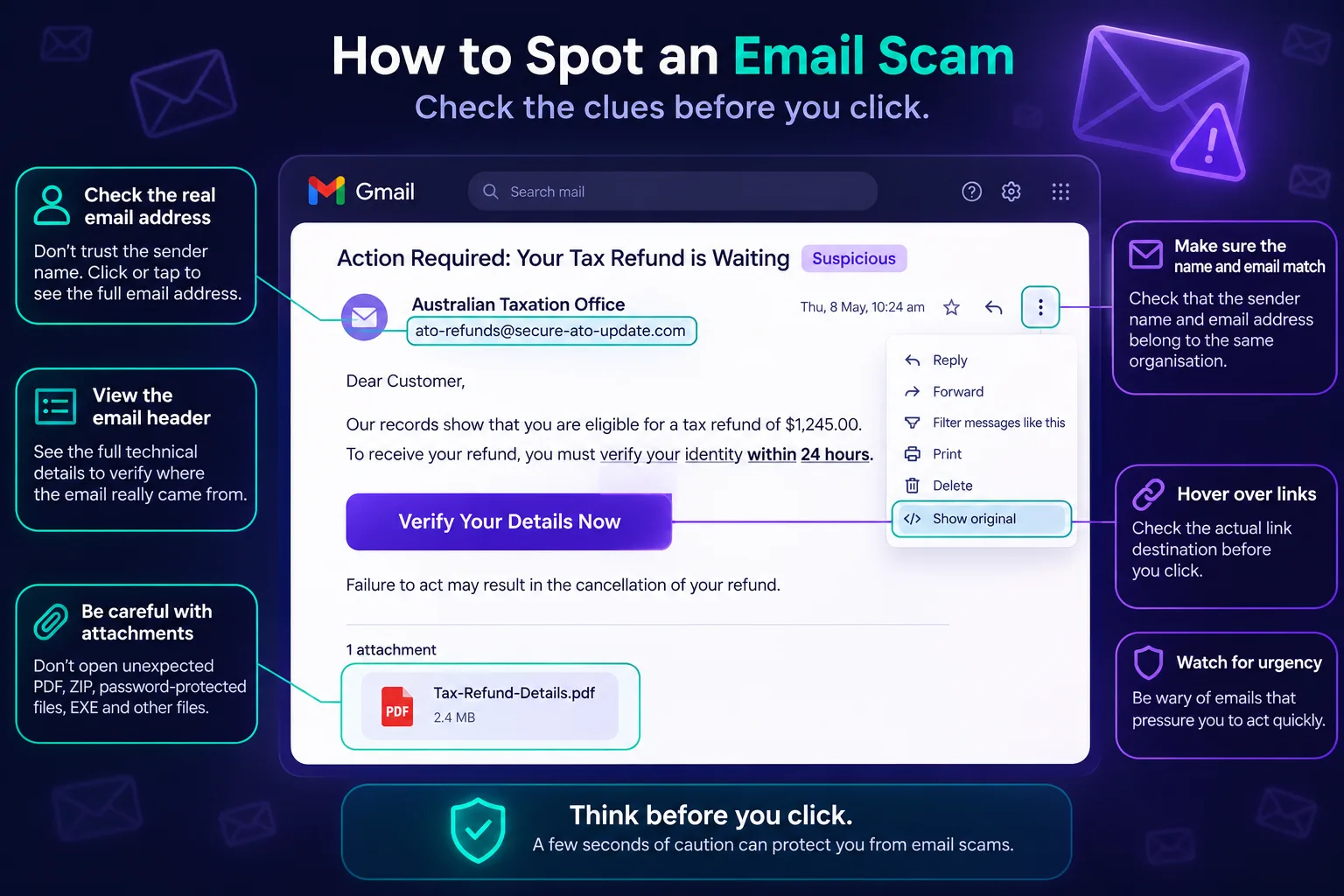
One of the most common fraud tactics is creating a sense of urgency.
Scammers may insist that you must act immediately to avoid:
- Policy cancellation
- Financial penalties
- Loss of benefits
- Delayed fund releases
Pressure and fear are often used to stop victims from verifying the information.
4. Fake Payment Instructions
Victims are directed to make payments using methods that bypass normal company payment channels, including:
- Direct bank transfers
- Credit or debit card payments over the phone
- Digital wallets
- Third-party payment accounts
These payment requests often lead directly to accounts controlled by the scammers.
5. Misleading Investment or Fund Release Offers
Some fraudsters claim that large sums of money have accumulated within a policy and can be released immediately if a small fee or payment is made.
This is a common advance-fee fraud tactic where victims pay money but never receive the promised funds.
Warning Signs of a Fake Insurance Policy Scam
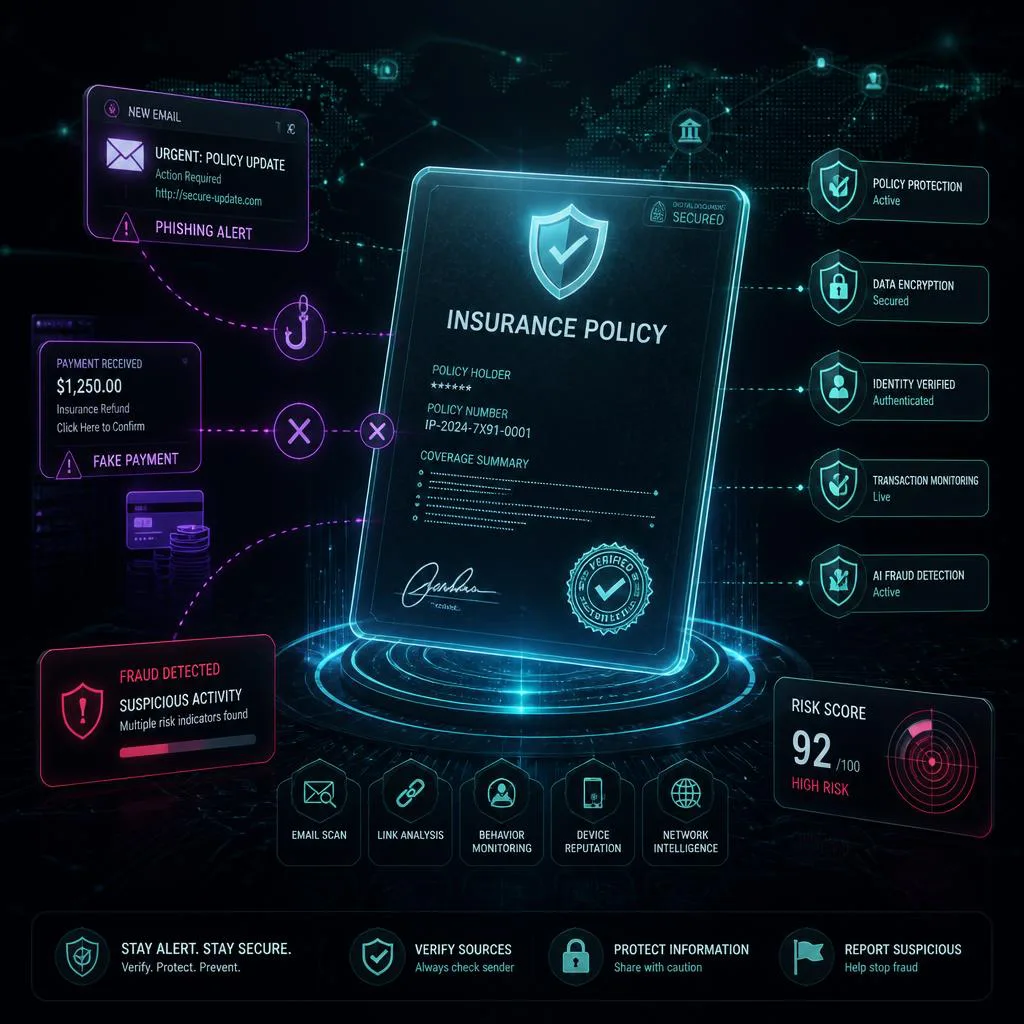
A quick scam checker review should raise concerns if you encounter any of the following red flags:
Urgent Payment Demands
Legitimate financial institutions rarely demand immediate payments through unofficial channels.
Threats or Pressure
Be cautious if someone threatens policy cancellation, penalties, or loss of benefits unless payment is made immediately.
Unusual Payment Methods
Requests for direct transfers to personal accounts or unfamiliar payment methods should be treated as suspicious.
Unverified Contact Information
Fraudsters often use unofficial email addresses, mobile numbers, or messaging apps.
Offers That Sound Too Good to Be True
Promises to reactivate long-lapsed policies or unlock large funds without proper verification should always be independently checked.
Scam Check: What To Do Before Making Any Payment
Before sending money or sharing personal information, follow these simple scam prevention steps:
Verify the Contact
Independently contact your insurance provider using official customer service channels.
Do not rely solely on the phone number, email address, or website provided in the message.
Review Your Policy Status
Log in to your official customer portal or contact customer support to verify your premium status.
Confirm Payment Instructions
Always verify bank account details and payment instructions through official channels.
Protect Personal Information
Never share:
- One-time passwords (OTPs)
- Banking credentials
- Debit or credit card details
- Security questions and answers
unless you have independently verified the request.
Report Suspicious Activity
If you suspect a scam:
- Contact your insurance provider immediately.
- Report the incident to relevant authorities.
- Preserve screenshots, emails, messages, and transaction records.
Why Scam Awareness Matters
Financial fraud continues to evolve, and scammers frequently adapt their tactics to exploit trust in well-known brands and institutions.
Performing a simple scam check before responding to unexpected requests can prevent financial loss and identity theft.
The most effective defence against fraud is verification. If something feels urgent, unusual, or suspicious, pause and verify through official channels before taking action.
Final Fraud Alert
Fake policy scams rely on fear, urgency, and impersonation. By understanding how these scams operate and knowing the warning signs, you can significantly reduce your risk.
Remember:
- Verify before you pay.
- Verify before you share information.
- Verify before you click.
When it comes to protecting your finances, a quick scam check today can prevent a costly mistake tomorrow.
Fake Policy Scam FAQs: Common Questions and Fraud Prevention Tips
What is a fake policy scam?
A fake policy scam is a fraud scheme where scammers impersonate insurance company representatives and trick victims into making payments or sharing sensitive information.
How can I perform a scam check on an insurance-related message?
Verify the message through official customer service channels, review your policy status independently, and never rely solely on contact details provided in the message. You can also you a message scam checker to ensure you are at peace of mind.
What are the common warning signs of an insurance scam?
Warning signs include urgent payment requests, threats of policy cancellation, unusual payment methods, unverified contact details, and promises that seem too good to be true.
What should I do if I receive a suspicious insurance call?
Do not provide personal information or make payments. End the call and contact your insurer directly using official contact details.
Can scammers access policy information?
Scammers may use information obtained from public sources, data breaches, or social engineering to make their scams appear legitimate.
Where can I report a fake policy scam?
You should report suspicious activity to your insurance provider, local law enforcement, cybercrime authorities, and any relevant fraud reporting platforms.