What Happened?
Authorities and consumer protection experts are warning that scammers are increasingly using artificial intelligence to create more convincing fake job offers, interviews, and recruiter communications.
These scams often target job seekers through emails, WhatsApp messages, and employment platforms, making fraudulent offers appear highly realistic.
How the Scam Works
Scammers pose as recruiters or hiring managers and contact victims with fake job opportunities. Using AI-generated emails, chat messages, and even interview scripts, they create convincing recruitment processes designed to gain trust.
Victims may be asked to attend fake interviews, submit personal documents, complete “verification” checks, or pay upfront fees for training, background checks, or equipment.
In some cases, scammers may also collect sensitive personal data that can later be used for identity theft or financial fraud.
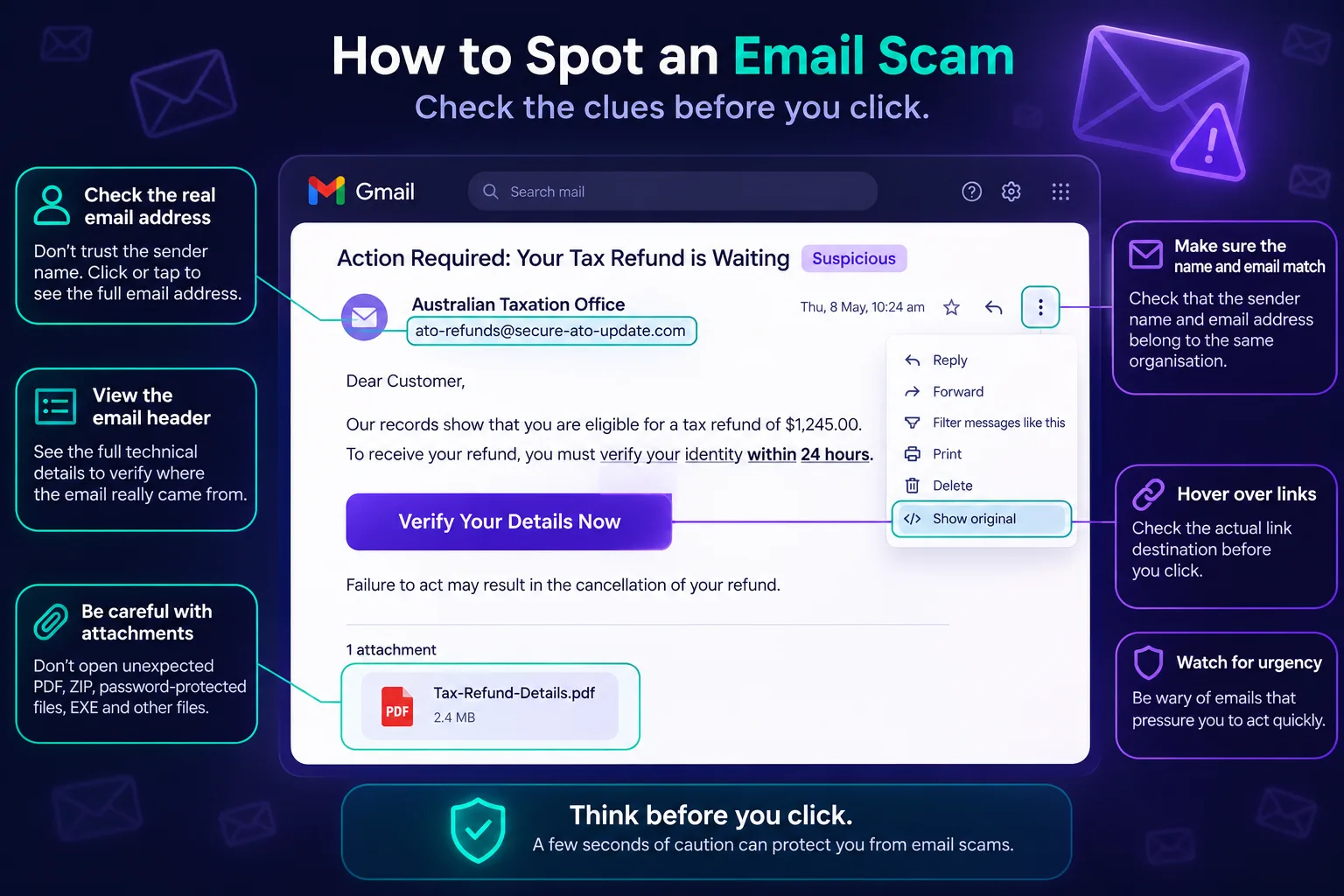
Warning Signs
• Job offers that arrive unexpectedly without applying
• Recruiters using free email accounts instead of company domains
• Requests for upfront payments for training, equipment, or processing fees
• Pressure to act quickly or accept immediately
• AI-generated interview messages that feel scripted or generic
• Requests for sensitive personal or banking details early in the hiring process
How to Stay Safe
Always verify recruiters and job postings through the company’s official website before responding.
Never pay money to secure a job, complete onboarding, or buy equipment. Genuine employers do not charge candidates during recruitment.
Be cautious when sharing personal information, especially Aadhaar, banking details, or identification documents, unless you have independently confirmed the employer’s legitimacy.
Source
Original reporting by The Guardian on the rise of AI-powered job scams targeting employment seekers.