Starting a business is a goal for many people, especially those looking for additional income or financial independence. That demand has created a growing target for scammers.
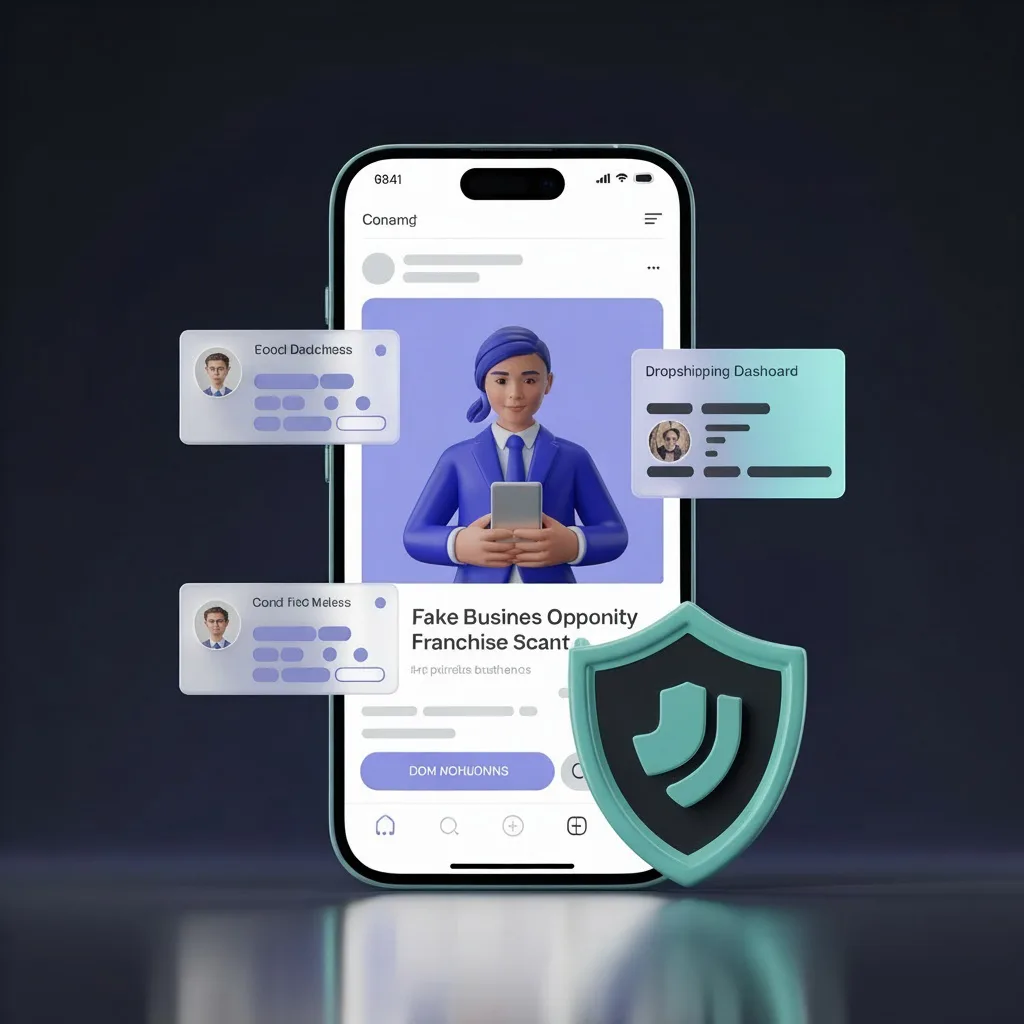
Fraudsters are increasingly promoting fake business opportunities online — from franchise deals and distributorship offers to dropshipping setups and “partner businesses” advertised on social media. These scams often look polished and credible, but the business itself may not exist at all.
In many cases, victims are not threatened or pressured in the traditional sense. Instead, they are convinced through professional presentations, fake documents, and promises of stable profits. The scam is designed to feel like a genuine business opportunity.
What Is a Business Opportunity Scam?
A business opportunity scam is a fraud where someone is persuaded to invest money into a fake or misleading business setup. The offer may be presented as a franchise, online business, dealership, product distributorship, or e-commerce partnership.
The victim is usually asked to pay upfront for setup costs such as registration, onboarding, inventory, shipping, or compliance. Once money is transferred, the promised business either never starts or the fraudsters continue asking for additional payments until communication stops.
This type of scam has become more visible in India as more people look for online businesses, side income, and work-from-home opportunities. Recent cases have involved fake franchise agreements, counterfeit websites, and WhatsApp-based business pitches.
How These Scams Usually Begin
Most business setup scams do not begin through formal business channels. They often start where people are already spending time online.
A person may see an advertisement on social media promising an easy franchise opportunity or a profitable online business. The ad often uses phrases like “start earning from home,” “limited city franchise rights,” or “low investment, guaranteed returns.”
In other cases, the first contact happens through WhatsApp, Telegram, or even a personal connection. Someone may receive a message from a stranger or a new online acquaintance introducing a business idea. Because the conversation starts casually, victims may not immediately treat it as a fraud risk.
In some scams, a relationship is built first. This is especially common in romance-linked fraud, where a person met on social media or a dating app gradually introduces a “business opportunity” after gaining trust. Similar patterns have been documented in broader online fraud cases.
If the opportunity came through WhatsApp, Telegram, or SMS, it’s worth reviewing the wording of the message itself, as scam offers often use urgency, emotional persuasion, or unrealistic promises. You can also analyse suspicious messages using our message scam checker.
Common Types of Business Setup Fraud
Franchise Fraud
Franchise scams target people who want the security of joining an established brand. The fraudster claims to represent a known company or presents a completely fabricated brand that looks genuine online.
The victim may be shown a professional website, brochures, registration certificates, and even photos of offices or warehouses. They are told they can secure exclusive rights for a city or region if they pay quickly.
The problem is that many of these businesses do not actually operate the franchise model being advertised. Once the payment is made, the communication becomes inconsistent, and new “mandatory fees” may appear.
A recent case in India involved a fake luxury brand franchise racket where victims were promised branded outlets and paid large upfront fees before the fraud was exposed.
Dropshipping Setup Fraud
Dropshipping itself is a legitimate e-commerce model, but scammers use the term to attract people who want an online business without holding inventory.
They advertise a “ready-made dropshipping business” and promise to create the website, connect suppliers, and generate orders. Victims are shown dashboards, projected revenue screenshots, and sample stores.
The scam works by collecting setup fees under the guise of:
- supplier onboarding
- platform access
- marketing setup
- logistics deposits
After the payment, the promised store may never function, or the products and suppliers may not exist at all.
SPONSORED
Fake Distributorship or Dealership Offers
These scams often revolve around products such as electronics, cosmetics, packaged foods, or health products.
The scammer claims they are expanding across cities and need local distributors. The victim is asked to pay a deposit to reserve territory rights or to secure stock allocation.
The paperwork often looks real. In some cases, victims are sent GST certificates, invoices, and contracts that are forged but convincing.
Romance-Linked Business Scams
Some scams combine emotional manipulation with fake business offers.
The fraudster first builds a personal connection through a dating app, Instagram, or Facebook. Over time, they mention a profitable business they or a relative is involved in. The conversation gradually shifts toward inviting the victim to invest.
Because the recommendation comes from someone the victim trusts emotionally, the business proposal may seem more believable than an ordinary advertisement.
This pattern overlaps with “pig butchering” scams where trust is built first and then money is extracted through staged investment or business opportunities.
The Typical Modus Operandi
These scams often follow a repeatable pattern.
It starts with attraction. The victim sees an ad or receives a message about a high-income business opportunity. The wording is usually simple: start your own business, earn passive income, no prior experience needed.
The next step is trust-building. The fraudsters present what appears to be a legitimate business setup. This can include business registration documents, GST numbers, agreements, video calls, office images, or even fake customer reviews.
Then comes the payment phase. Instead of asking for one large amount, they often break the payment into stages. This makes each transaction feel more reasonable.
A victim may first pay a registration fee. Then they are told they need to pay for inventory. After that, there may be a shipping activation fee, marketing fee, or tax clearance fee.
Once enough money has been collected, delays begin. The business does not launch. Support becomes slow. Eventually, the contacts stop responding.
This staged payment model is also seen in many other cyber scams that move from WhatsApp to fake apps and multiple mule accounts.
Why People Fall for These Scams
These scams are effective because they appeal to aspiration rather than fear.
Victims are often looking for:
- a side business
- early retirement
- passive income
- a way to leave salaried work
- flexible work-from-home income
The scammer does not usually threaten the person. Instead, they present an opportunity that feels achievable and urgent.
That is why many victims describe the experience as being “convinced” rather than pressured.
APK Files: An Increasingly Dangerous Twist
Some business scams now go beyond messages and websites. The fraudster may send an APK file through WhatsApp or Telegram and claim it is necessary for onboarding.
They may say it is:
- a partner dashboard
- a seller portal
- a business earnings app
- a franchise management app
An APK is an Android installation file that bypasses the usual review process of the Google Play Store.
This makes APK files a high-risk delivery method for spyware, credential theft, and remote-control malware.
A strong safety rule is simple: if a business opportunity requires installing an APK sent through chat, treat it as suspicious until independently verified.
Red Flags to Watch For
Most fake business opportunities share a few warning signs.
Be cautious if the person or company:
- promises guaranteed income
- insists you act quickly to secure your “slot”
- communicates only on WhatsApp
- asks for payment to personal accounts
- avoids giving a verifiable office address
- refuses independent verification
- sends documents that cannot be cross-checked
- introduces new fees after the initial payment
One warning sign on its own may not confirm a scam, but several together should prompt caution.
How to Verify a Business Opportunity
Before paying for any franchise, distributorship, or online business setup, independently verify the business.
Do not rely only on documents sent by the seller. Many scam operations create convincing but fake paperwork.
A safer approach is:
- Search the company name with terms like “scam”, “complaint”, or “fraud”
- Check whether the company is mentioned on the official website of the brand they claim to represent
- Call the brand directly using contact details from its official website
- Ask to speak to existing franchise owners found independently
- Verify whether the office exists physically and is not just a shared workspace
If the offer came through a message, the message itself may contain red flags such as urgency, emotional persuasion, or misleading promises.
If the company shared a website link, check that the domain is genuine and not a lookalike or phishing page. Suspicious links can also be verified using a website safety or URL checker before you share any information.
What to Do If You Suspect You Have Been Targeted
If you believe a business setup offer may be fraudulent, avoid sending any additional money.
Preserve:
- chat history
- screenshots
- invoices
- bank transfer receipts
- app links
- APK files
- phone numbers used
If money has already been transferred, report it as quickly as possible. Early reporting may improve the chances of freezing part of the funds before they move through multiple accounts.
Frequently Asked Questions
Is franchise fraud common in India?
Yes. Fake franchise and distributorship scams have become increasingly common, especially through social media ads and direct messaging.
Is dropshipping itself a scam?
No. Dropshipping is a legitimate business model. The scam arises when fraudsters sell fake dropshipping opportunities or pretend to offer supplier partnerships that do not exist.
Can a romance scam lead to a fake business investment?
Yes. Some scammers build trust through online relationships before introducing fake business or investment opportunities.
Why do scammers ask for multiple smaller payments?
Smaller staged payments feel less risky to victims and increase the chance they will continue once they have already invested.
Are APK files sent over WhatsApp safe?
They should be treated with extreme caution. APK files can install malicious software and bypass standard app store protections.
Related Reading
Travel Booking Fraud: How Fake Flight and Hotel Scams Work
Online Shopping Fraud: Common Scams and How to Stay Safe
Digital Arrest Scams in India: What It is and How Scammers Threaten Victims